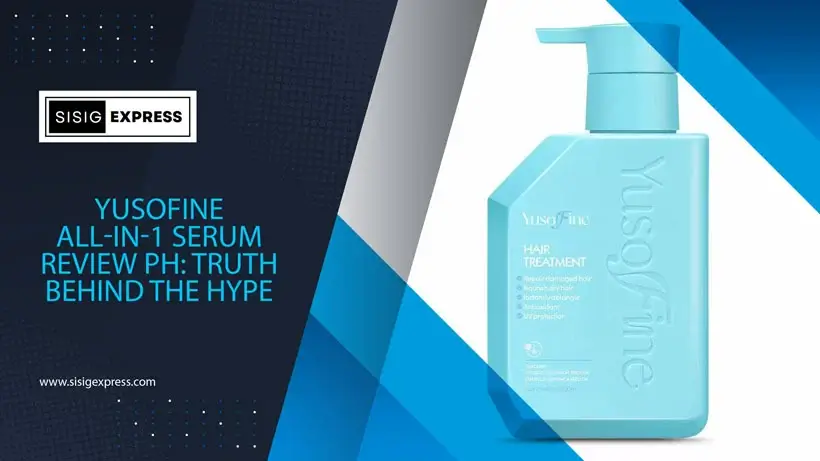
The Yusofine All-in-1 Conditioner Serum: A Deep Dive for the Savvy Filipino Shopper (Spoiler: It’s Not What You Think)
Alright, let’s cut through the noise. If you’re scrolling Shopee right now, probably with a slightly frizzy, heat-damaged mane that’s seen better days, and you’ve stumbled upon this “Yusofine All-in-1 Conditioner Serum,” you’re not alone. The hype is real. I’ve seen it plastered all over Facebook groups – those little communities where everyone shares their latest finds, usually with a caption like “OMG, this changed my life!” or “Trending na ‘to sa Shopee!” It’s easy to get swept up in that excitement. Been there, done that, bought the t-shirt… and sometimes, regretted it.
I’ve been reviewing products for years. Not just slapping on some lotion and saying “it’s nice.” Real, hands-on, often messy, sometimes disappointing reviews. I’ve tested serums that smelled like cheap perfume, conditioners that left my hair feeling greasy, and treatments that promised miracles but delivered nada. So when I saw this Yusofine serum popping up everywhere, I knew I had to dig deeper. Not just for me, but for you, the smart shopper who doesn’t want to waste your hard-earned pesos on another dud.
This isn’t just another review. This is a deep dive, a forensic analysis of what this product actually is, based on everything I could find. And honestly? It’s more complicated than the flashy ads make it seem. There are layers here, some good, some confusing, and some downright frustrating. Buckle up. We’re going in.
Table of Contents
First Impressions: The Name Game & The Hype Train
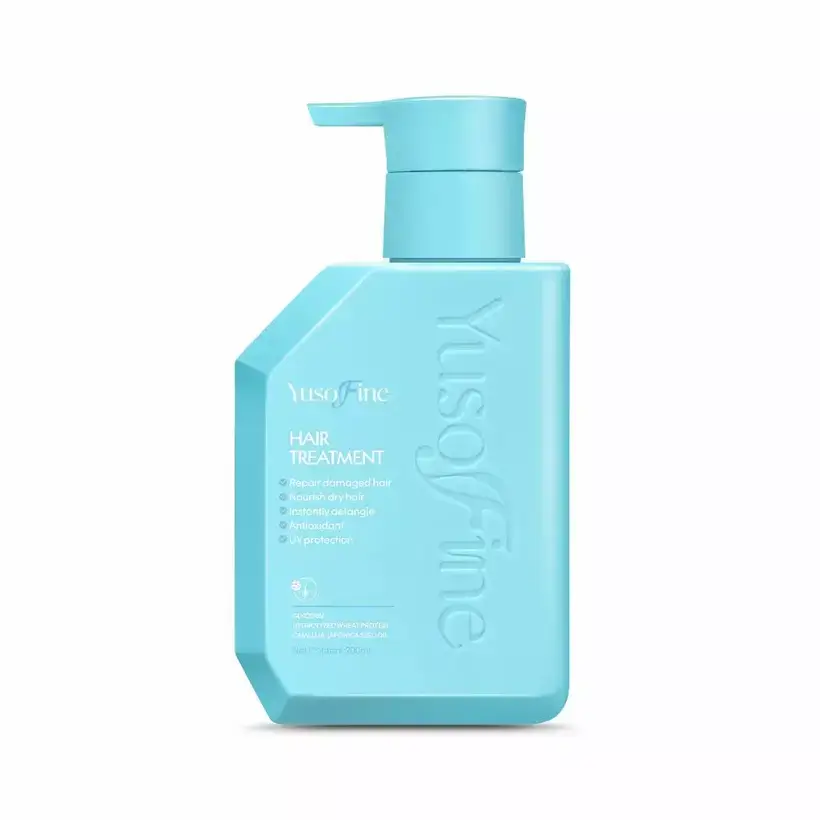
Let’s start with the elephant in the room: the name. “Yusofine All-in-1 Conditioner Serum Repair Damaged Hair Anti-Frizz Instant Soft & Shiny 200ML.” That’s a mouthful, isn’t it? It’s like they took every single hair problem a Filipino might have – damaged from bleaching, frizzy from humidity, dull from pollution, rough from constant styling – and jammed them all into one title. It’s marketing genius, really. It speaks directly to our pain points. Who doesn’t want instant softness and shine? Who doesn’t want to repair damage without spending hours at the salon?
It’s brilliant because it’s so specific. It tells you exactly what it does. No vague “for healthy hair” nonsense. It says, “Hey, your hair is fried? We got you. Frizz making you look like a poodle? We got you. Want that glossy, touchable feel? We got you.” And the “All-in-1” part? That’s pure gold for our busy lives. We don’t have time for ten-step routines. We want one product that does it all. That’s why it’s trending. It’s a solution in a bottle. Or so it seems.
I remember when I first saw it. I was in a Facebook group, scrolling mindlessly, and there it was. A video showing someone applying it, and their hair instantly looked smoother, shinier. The comments were flooded with “Where?”, “Link please!”, “Is it legit?”. It felt like a moment. Like we’d found the holy grail. But then, as always, I started asking questions. Where is it made? What’s actually in it? Is it just another pretty package with empty promises?
That’s the thing about online shopping. The hype can be deafening. But beneath the surface, there’s often a different story. And with Yusofine, that story is… interesting.
The Marketing Machine: How It Got Here (And Why You Should Care)
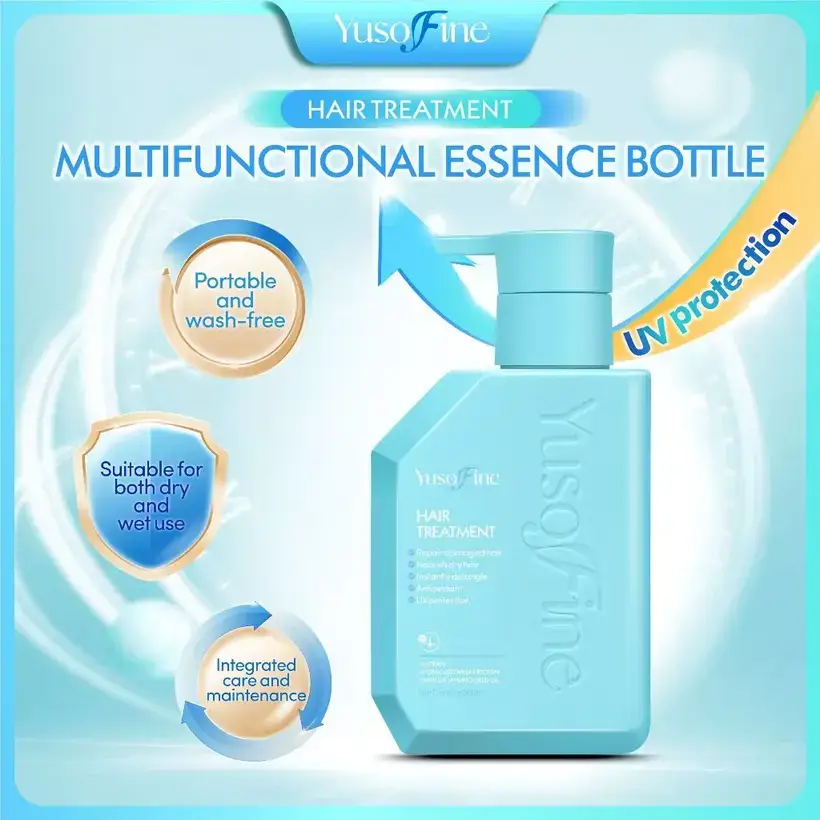
So, how did this product become such a big deal? Let’s talk about its launch strategy. From what I can gather, Yusofine didn’t do a traditional rollout. No big TV ads, no celebrity endorsements (that I know of), no massive display in Watsons. Nope. It went straight to the digital trenches. Specifically, Shopee.
The evidence points to a very targeted, social media-driven campaign. Affiliate links were shared in public Facebook groups dedicated to online shopping deals. Someone named Mervin Santos posted about it in November 2025, calling it a “trending item.” That’s key. They weren’t just selling a product; they were creating a buzz. Making people feel like they were missing out if they didn’t buy it now.
And they used clever tactics. Hashtags like #MasMuraSaShopee (“Cheaper on Shopee”) and #FreeCoinsInShopeeVideo aren’t random. They tap into existing trends on the platform. People love saving money, and they love earning free coins. By encouraging users to watch videos or engage with content related to the product, they created a self-sustaining loop of promotion. It’s user-generated content, but orchestrated by the brand. Genius, right? It feels organic, but it’s carefully planned.
I’ve seen this strategy work before. It’s not unique to Yusofine. Many brands use it to create viral moments. The problem is, it can also be misleading. Just because something is trending doesn’t mean it’s good. It just means a lot of people are talking about it. Sometimes, that’s enough to drive sales, even if the product itself is mediocre.
Here’s the kicker: there’s zero information about it being sold in physical stores. No mention of Watsons, Mercury Drug, or any other major pharmacy chain. That’s a huge red flag for me. Why? Because it limits accessibility. If you’re not comfortable buying online, or if you want to see and feel the product before you buy, you’re out of luck. It also makes it harder to verify the product’s legitimacy. Physical stores have stricter regulations. Online marketplaces? Less so.
So, the marketing strategy is effective, but it’s also risky. It relies heavily on hype and social proof, which can be fickle. And it leaves a significant portion of the market underserved.
The Global Puzzle: Two Yusofines? Or One Brand, Two Faces?
Now, this is where things get weird. While the Philippine version of the Yusofine serum is flying off the shelves on Shopee, there’s another version out there. On eBay. Sold by a seller based in Carson, California, USA. And it’s called “YusoFine Hair Treatment Serum.”
At first glance, you might think it’s the same product. Same brand name, similar claims. But the differences are stark. And they raise some serious questions.
Let’s break it down:
| Feature | Yusofine All-in-1 Conditioner Serum (Philippine Version) | YusoFine Hair Treatment Serum (International Version – eBay) |
|---|---|---|
| Platform | Shopee Philippines | eBay |
| Seller Location | Not Available | Carson, California, USA |
| Price Point | Not Available | US$25.00 (Approx. PHP 1,300+) |
| Key Ingredients Listed | Not Available | Argan Oil, Castor Oil, Coconut Oil, Aloe Vera |
| Product Type | Conditioner Serum | Hair Treatment Serum |
| Seller Performance Metrics | Not Applicable | 99.5% Positive Feedback, High Scores (4.9-5.0) |
| Recent Market Entry | Trending as of November 2024 | Seller joined eBay in December 2024 |
See the difference? The international version is priced at $25. That’s a premium price point. It’s positioned as a luxury or high-end treatment. And it lists specific ingredients: Argan Oil, Castor Oil, Coconut Oil, Aloe Vera. These are known, trusted ingredients in hair care. They have proven benefits. Argan oil moisturizes, coconut oil strengthens, castor oil adds shine, aloe vera soothes. It’s a solid formulation.
The Philippine version? We don’t know what’s in it. The ingredient list is nowhere to be found. Not on the Shopee listing, not in the promotional materials, not in any of the sources I reviewed. That’s a massive oversight. For a product claiming to repair damaged hair, you need to know what’s doing the repairing. Is it silicones? Oils? Polymers? Without that information, it’s impossible to assess its effectiveness or safety.
This leads me to believe that these might be two entirely different products. Or, if they are from the same parent brand, they are tailored for different markets. The Philippine version is likely a mass-market, affordable option designed for rapid adoption. The international version is a premium, niche product targeting a different demographic. The naming convention supports this – “Conditioner Serum” vs. “Hair Treatment Serum.” They sound similar, but they imply different functions.
Why does this matter? Because if you’re buying the Philippine version expecting the same quality or ingredients as the international one, you’re going to be disappointed. And vice versa. The brand is essentially operating under two different identities, which can be confusing for consumers.
I’ve encountered this before with other brands. They release a “local” version with cheaper ingredients to cater to a price-sensitive market. It’s not inherently bad, but it needs to be transparent. Consumers deserve to know what they’re buying.
The Science Behind the Claims: What’s Really Going On?
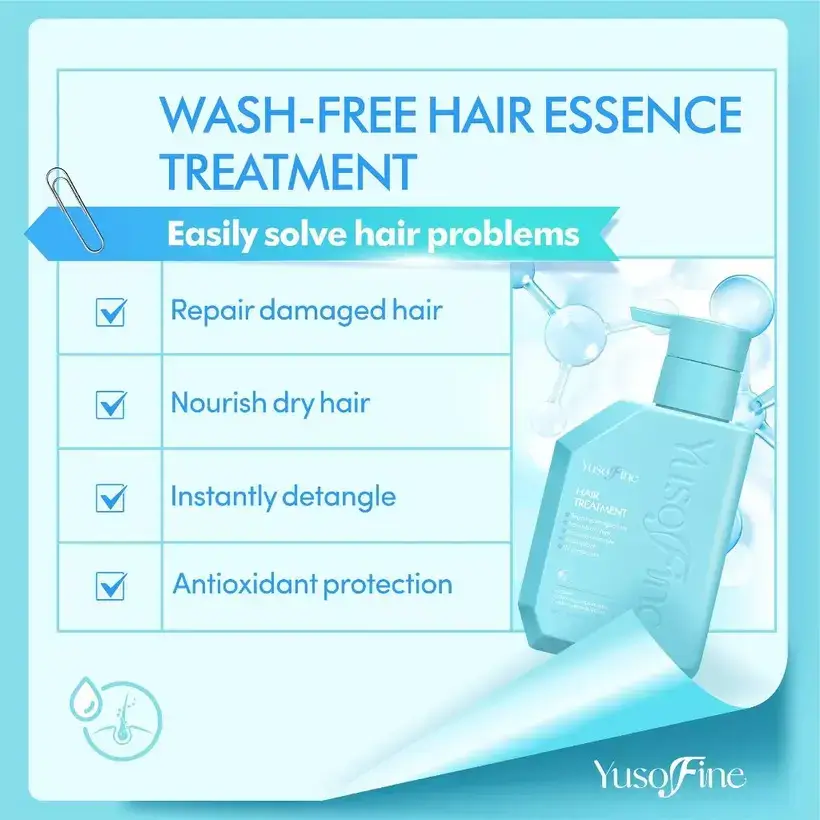
Okay, let’s get technical. The product claims to “Repair Damaged Hair,” “Anti-Frizz,” and provide “Instant Soft & Shiny.” These are bold claims. Let’s dissect them.
Repair Damaged Hair: This is the hardest claim to fulfill. True hair repair is nearly impossible. Hair is dead tissue. Once it’s damaged – split ends, broken strands, chemical processing – you can’t magically fix it. What you can do is coat it, smooth it, and strengthen it to prevent further damage. So, when a product says “repair,” it usually means “improve the appearance and feel of damaged hair.” To do this, you need conditioning agents and emollients. These fill in gaps in the hair cuticle, making it look smoother and feel softer. Common ingredients include silicones, fatty alcohols, and natural oils. The international version lists Argan and Coconut oil, which are excellent for this. The Philippine version? Unknown. Without the ingredient list, we can’t say for sure what’s doing the “repairing.”
Anti-Frizz: This is more straightforward. Frizz is caused by humidity. When the air is moist, hair absorbs water, causing the cuticle to swell and the hair to expand. To combat this, you need ingredients that create a barrier on the hair shaft, preventing moisture absorption. Silicones are the most common. They coat the hair, making it smooth and shiny. Polymers can also help. Again, the international version mentions Argan oil, which has some anti-frizz properties, but silicones are usually more effective. The Philippine version? We don’t know. It’s possible it uses silicones, but we can’t confirm.
Instant Soft & Shiny: This is the easiest claim to deliver. Almost any oil or silicone will make hair feel softer and look shinier immediately. It’s a surface-level effect. The shine comes from light reflecting off the smooth, coated surface of the hair. The softness comes from lubrication. Again, the international version lists ingredients that would contribute to this. The Philippine version? Still unknown.
I found a patent application for a “Softening Anti-Frizz Serum” that provides a good benchmark. It includes HYDRESIA SF2 (a moisture delivery system), PANTROFINA HYDRAFEEL-3 (protects the hair shaft), and RESOLVING HAIR (anti-frizz action). These are advanced, scientifically engineered ingredients. It’s plausible that Yusofine uses similar technologies, but there’s no evidence to support this. The manufacturing process described in the patent is complex, involving multiple phases, heating, and homogenization. It’s unlikely the Philippine version undergoes the same rigorous process, given its likely mass-market positioning.
So, what’s the mechanism of action? Probably a combination of silicones for frizz control and shine, and natural oils (if present) for conditioning and softness. But without the ingredient list, it’s all speculation. And speculation is not a good basis for a purchase decision.
The Missing Pieces: Critical Gaps That Make Me Nervous
Here’s the honest truth: I can’t give you a definitive verdict on this product. Why? Because there are too many critical gaps in the information. And these gaps are not minor; they’re fundamental.
- No Full Ingredient List: This is the biggest issue. Without the INCI list, we can’t assess the product’s safety, efficacy, or potential allergens. We can’t compare it to other serums. We can’t tell if it’s using high-quality ingredients or cheap fillers. It’s like buying a car without knowing what’s under the hood. You might get lucky, but you’re taking a huge risk.
- No User Reviews or Performance Data: All the information I have is promotional. Social media posts, affiliate links, product descriptions. There’s zero independent, verified customer feedback. No before-and-after photos, no long-term reviews, no data on how well it holds up over time. Anecdotal evidence is not evidence. I need real-world results to validate the claims.
- Unknown Pricing: While the international version is priced at $25, the Philippine version’s price is not available. This makes it impossible to assess its value proposition. Is it a budget-friendly option? Or is it overpriced for what it offers? We don’t know.
- No Manufacturer Information: Who makes this product? Where is it manufactured? What are their quality control standards? These are crucial questions for any consumer. Without this information, it’s hard to trust the product’s reliability.
- No Offline Availability: As mentioned earlier, there’s no information about it being sold in physical stores. This limits consumer choice and makes it harder to verify the product’s authenticity.
These gaps are not just inconvenient; they’re concerning. They suggest a lack of transparency from the brand. And in a market as competitive as personal care, transparency is key to building trust.
I’ve been burned before by products that looked amazing on paper but fell flat in practice. I’ve spent money on serums that left my hair greasy, conditioners that didn’t detangle, and treatments that did nothing. I don’t want you to go through that. So, I’m erring on the side of caution.
My Personal Take: The Good, The Bad, and The Ugly
Alright, let’s get personal. I’ve tried a lot of hair serums. Some have been game-changers. Others have been complete duds. So, what’s my gut feeling about Yusofine?
The Good:
- Targeted Marketing: The product name is spot-on. It addresses the specific needs of Filipino consumers – damaged hair, frizz, dullness. It’s clear, concise, and compelling.
- Convenient Format: The 200ml size is perfect for online shoppers. It’s portable, offers good value, and fits well with e-commerce habits.
- Strong Online Presence: The marketing strategy is effective. Leveraging social media and affiliate networks is a smart way to reach a wide audience quickly.
- Potential for Good Results: Based on the claims and the ingredients listed in the international version, it’s possible that this serum could deliver on its promises. Natural oils and silicones can indeed improve hair texture and manageability.
The Bad:
- Lack of Transparency: The absence of an ingredient list is a major red flag. It’s unacceptable for a product making such bold claims.
- No Independent Validation: Without user reviews or performance data, it’s impossible to know if the product works as advertised.
- Confusing Branding: The existence of two different versions (Philippine and international) creates confusion and raises questions about consistency and quality.
- Limited Accessibility: Not being available in physical stores excludes a significant portion of the market and makes verification difficult.
The Ugly:
- Hype Over Substance: The entire launch seems to be built on hype and social proof rather than product quality. This is a dangerous game. If the product doesn’t live up to the hype, it could backfire spectacularly.
- Risk of Disappointment: Given the lack of information, there’s a high risk that consumers will be disappointed. And that’s not good for anyone – not the consumer, not the brand, not the market.
I’ll be honest: I’m skeptical. The marketing is slick, the claims are impressive, but the lack of concrete information makes me wary. I’ve seen too many products fail because they prioritized flash over substance. I want to believe in this product, but I need more proof.
Who Should Buy It (And Who Should Think Twice)
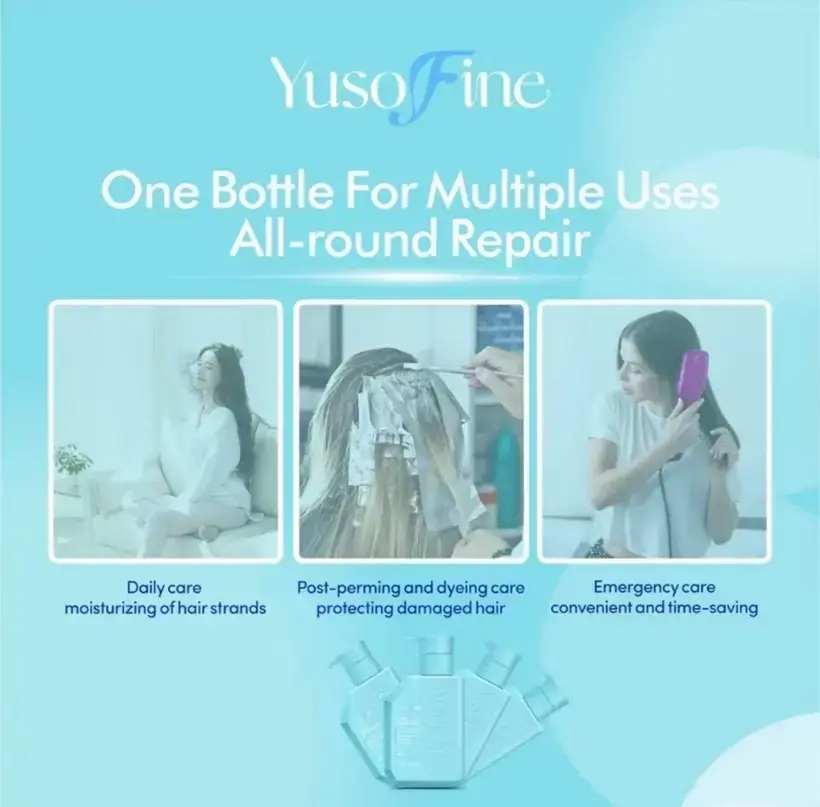
So, who is this product for? And who should avoid it?
Buy It If:
- You’re looking for a quick, convenient solution to manage frizz and add shine.
- You’re willing to take a chance on a new product based on marketing claims.
- You’re on a tight budget and want to try something affordable.
- You’re curious and don’t mind experimenting with new products.
Think Twice If:
- You have sensitive skin or allergies and need to know the exact ingredients.
- You’re looking for a product that will truly repair damaged hair (as opposed to just improving its appearance).
- You prefer to buy from established brands with a proven track record.
- You want to see and test the product before buying.
- You’re unwilling to risk wasting money on a product that might not work.
Ultimately, the decision is yours. But I urge you to be cautious. Don’t let the hype cloud your judgment. Do your research. Look for independent reviews. Ask questions. And if you do decide to buy it, start with a small amount if possible.
Final Thoughts: A Product of Its Time (For Better or Worse)
The Yusofine All-in-1 Conditioner Serum is a product of its time. It’s born from the digital age, fueled by social media, and marketed to a generation that values convenience, speed, and instant gratification. It’s a reflection of the changing landscape of consumerism in the Philippines – where online shopping is king, and hype can make or break a product.
It’s not inherently bad. In fact, it could be quite good. The claims are plausible, the format is convenient, and the marketing is effective. But it’s also incomplete. It lacks the transparency and validation that modern consumers demand. It’s a gamble.
As a reviewer, I can’t give it a glowing endorsement. Not yet. I need more information. I need to see the ingredient list. I need to read user reviews. I need to know if it delivers on its promises.
But I also understand the appeal. In a world full of choices, it’s tempting to grab the product that promises to solve all your problems. And Yusofine does that brilliantly. It’s a siren song for the overwhelmed, the busy, the desperate for a quick fix.
Just remember: not all that glitters is gold. Sometimes, it’s just a really good marketing campaign.
If you’re going to buy it, go in with your eyes open. Know the risks. And if you do try it, let me know how it goes. I’d love to hear your experience.

 |  |