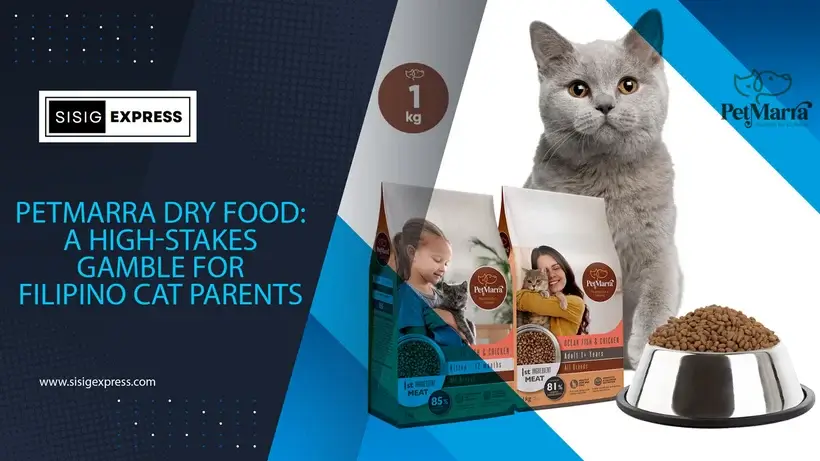
Alright, let’s cut through the noise. You’re scrolling through Shopee or Lazada, maybe after a long day, your cat is meowing at your feet, and you see this shiny new brand: PetMarra. “Oceanfish Chicken Liver Flavor,” it says. “Adult Cat/Kitten.” And it’s cheap. Like, suspiciously cheap for something that claims to be UK-made premium food. You click. The marketing is slick—European benchmarks, high animal content, AAFCO certified. It sounds perfect. But here’s the thing I’ve learned after years of reviewing pet products, especially the flashy newcomers: if it feels too good to be true, it usually is. And with PetMarra? The red flags are practically waving in neon.
I remember my first big mistake as a reviewer. I was young, eager, and got suckered by a fancy package and a bold claim. Bought a bag of some “artisanal” dog food for my old Labrador, Max. The price was right, the story was compelling. Two days later, Max was miserable. Vomiting. Lethargic. A trip to the vet, a hefty bill, and a lot of guilt later, I learned my lesson. Never trust the packaging. Always dig deeper. Always. And that’s exactly what I’m going to do for you with PetMarra. Forget the glossy ads. Let’s talk about the reality behind the label.
This isn’t just another product review. This is a forensic examination. Because when you’re feeding your furry family member, there’s no room for ambiguity. You need to know where the food comes from, what’s really in it, and whether the company behind it gives a damn about your pet’s health—or just your wallet. So, grab a coffee, settle in, and let’s get into the gritty details. By the end of this, you’ll have a clear picture of whether PetMarra is a hidden gem or a potential landmine.
Table of Contents
The Allure: Why PetMarra Looks So Good on Paper
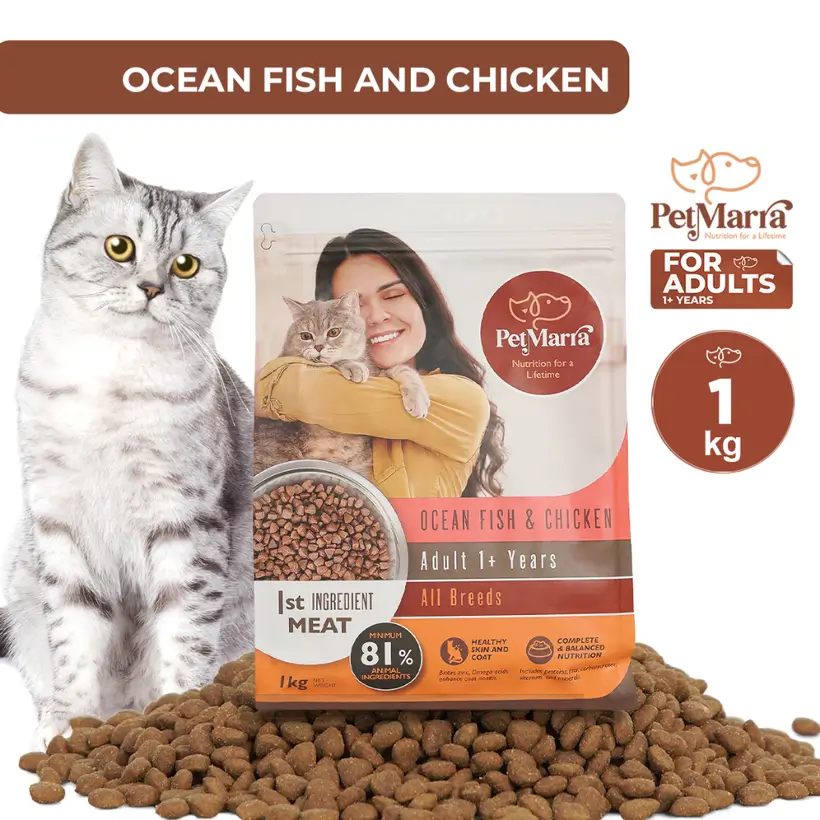
Let’s start with the obvious. PetMarra knows how to sell a dream. Its marketing is textbook-perfect for the modern Filipino consumer. It hits all the right notes: premium, international, science-backed, affordable. It’s like they took a checklist of everything we want in a pet food and checked every box.
The “UK Premium” angle is pure genius. Who doesn’t associate the UK with quality, tradition, and high standards? It instantly elevates the brand above local competitors. The website talks about “European and U.K. benchmarks for science-based pet food formulas.” Sounds legit, right? Sophisticated. Trustworthy. You feel like you’re giving your cat a taste of London, not just kibble from a warehouse.
Then there’s the ingredient list. Or rather, the claimed ingredient list. User reports online mention things like Salmon, Boneless Dehydrated Chicken, Tuna, Uruguayan Beef and Bone Meal, and Peruvian Fish Meal. That’s a mouthful of premium-sounding stuff. It paints a picture of a food rich in animal protein, which is exactly what most cat owners want. The brand also boasts an “81% High Animal Content” claim. That’s a powerful number. It suggests this food is packed with meat, not fillers. For anyone trying to avoid corn and wheat, that’s music to your ears.
And the price? Oh, the price. This is where it gets dangerous. On Lazada, you can find a 7kg bag for around ₱1,150. That’s roughly ₱164 per kilogram. Compare that to Orijen or Acana, which can easily cost ₱1,000 to ₱4,000 per bag. PetMarra is selling itself as a premium brand but pricing itself like a budget option. It’s a siren song for value-conscious pet parents. “Why pay more?” the logic goes. “If it’s this cheap and claims to be this good, it must be a steal.”
The availability is another huge plus. You don’t have to hunt for it. It’s everywhere. Lazada, Shopee, major pet shops across Metro Manila, Luzon, even Mindanao. They’ve mastered the e-commerce game. Hashtags like #MasMuraSaShopee (“cheaper on Shopee”) are plastered all over their listings. They’re running live selling events, engaging with customers directly. It’s aggressive, it’s effective, and it creates a sense of momentum. When you see a product with 94,000+ units sold on one listing, it’s easy to think, “Well, everyone else is buying it, so it must be fine.”
Finally, the branding is polished. The packaging looks clean, professional. They participated in the International Pet Summit 2025, which lends a veneer of credibility. They talk about working with veterinarians and following science-based principles. It’s all very reassuring. You feel like you’re making a smart, informed choice.
On paper, PetMarra ticks every box. Premium origin? Check. High-quality ingredients? Check. Affordable price? Check. Easy to buy? Check. Professional branding? Check. It’s the perfect storm of marketing magic. But here’s the catch: paper is easy to write on. Reality is much harder to fake. And when you start digging, the foundation starts to crumble.
The Unsettling Reality: A Corporate Structure Built on Sand

Okay, let’s put on our detective hats. The marketing is great, but what’s actually going on behind the scenes? This is where things get… weird. And by weird, I mean deeply concerning.
First, let’s talk about the UK connection. Yes, there is a legally incorporated entity called PetMarra (UK) Ltd., registered in London on June 2, 2023. The directors are Mr. Ying Cheong Tsai and Mr. Ying To Tsai. So far, so official. But here’s the kicker: there is zero evidence of any actual business activity in the UK. No UK retail stores. No UK subscription service. No UK customer support. Nothing. All the sales, all the marketing, all the customer engagement—it’s all targeted squarely at the Philippines. The UK entity exists on paper, but it’s essentially a ghost town.
Even more telling is the address. The registered mailing address for PetMarra (UK) Ltd. isn’t a physical office. It’s a virtual business address service. These are common for startups wanting privacy or saving money, sure. But combined with the complete lack of UK operations, it screams “marketing facade.” It’s like renting a fancy London address to make your company look sophisticated, while you’re actually running the whole operation out of a garage in Quezon City. The UK name is just a prop, a way to borrow prestige without putting in the work.
Now, let’s shift to the Philippines. The food is registered here under the Bureau of Animal Industry (BAI), which is good. It means it’s legally allowed to be sold. But who’s importing and distributing it? According to BAI records, it’s a company called ‘Petmate Corp’. Here’s where things get murky.

Try Googling “Petmate Corp Philippines.” You’ll find multiple companies with that exact name—a construction firm, a Texas-based company, and others. Which one is the real importer? There’s no way to tell. No official website. No phone number. No physical address listed publicly. It’s a black box. This lack of verifiable information is a massive red flag. If you can’t find out who’s responsible for bringing the product into the country, how can you trust them?
And then there’s the official website. The main site, petmarra.ph, is reportedly inaccessible due to technical issues. That’s a disaster for transparency. Imagine buying a car and not being able to find the manufacturer’s website to check specs or safety ratings. You’d be nervous, right? Same here. The website is supposed to be the source of truth—the place to find detailed ingredient lists, nutritional analyses, contact info, and quality assurance documents. Instead, it’s down. Consumers are forced to rely on third-party platforms and user forums, which are often unreliable and biased.
The FAQ section on these third-party sites is equally frustrating. Answers are vague, generic, and lack depth. One user even pointed out that the language used to describe AAFCO, ISO, and HACCP certifications appears to be copied word-for-word from Open Farm, a completely different pet food brand. That’s not just lazy; it’s deceptive. It suggests the company didn’t bother to write its own quality assurance statements and instead stole someone else’s. That’s a serious breach of trust.
In short, the corporate structure of PetMarra is a house of cards. It uses a non-operational UK entity with a virtual address to project an image of European sophistication. It relies on a shadowy, unverifiable local partner to handle the logistics. And it hides behind an inaccessible website and vague marketing copy. It’s a masterclass in creating a premium illusion while avoiding any real accountability. The entire setup prioritizes brand image over transparency. And when it comes to pet food, that’s a recipe for disaster.
The Nutritional Black Box: What’s Really in Your Cat’s Bowl?

Here’s the million-peso question: what’s actually in the food? The marketing makes bold claims, but can you verify them? The answer, unfortunately, is a resounding no. PetMarra operates in a state of profound nutritional opacity. And that’s not just annoying; it’s potentially dangerous.
Let’s start with the ingredient list. The user-reported list I mentioned earlier—Salmon, Dehydrated Chicken, Tuna, etc.—sounds impressive. But here’s the problem: it’s not official. The company does not publish a full, verified ingredient list on its packaging or website. You’re relying on secondhand information from random users. That’s a huge risk. Ingredients can change between batches. Additives can be added. Without an official, up-to-date list, you have no idea what you’re actually feeding your cat.
The “High Animal Content” claim of 81% is another example of marketing smoke and mirrors. It’s a catchy number, but what does it mean? Is it 81% by weight? By volume? Does it include bone meal and fish meal, which are technically animal-derived but are very different from fresh meat? Without context, the number is meaningless. More importantly, there’s no guaranteed analysis statement. This is the single most important piece of information on any pet food label. It tells you the minimum percentages of crude protein, crude fat, moisture, and ash, as well as maximum percentages of fiber and other nutrients.
Without a guaranteed analysis, you cannot assess the food’s nutritional adequacy. You can’t compare it to established standards like AAFCO or FEDIAF. You can’t tell if it has enough protein, fat, calcium, phosphorus, or taurine. Taurine, for instance, is an essential amino acid for cats. A deficiency can lead to heart disease and blindness. AAFCO requires a minimum of 0.10% DM (dry matter) taurine for growth and reproduction diets. Can you verify that PetMarra meets this requirement? No. Because the company won’t provide the data.
PetMarra claims its products are formulated to meet AAFCO guidelines. That’s a step below passing AAFCO feeding trials, which are the gold standard for proving nutritional adequacy. Formulation means the manufacturer calculated the nutrient content based on the ingredients used. But without independent testing or published results, there’s no way to know if those calculations were correct. It’s a leap of faith.
The feeding recommendations on the packaging are sound—they advise a gradual transition over 7-10 days, which is good practice. But again, without knowing the nutritional profile, you can’t tailor the feeding amount to your cat’s specific needs. A highly active cat needs more calories than a sedentary one. A kitten needs more protein than an adult. Without the guaranteed analysis, you’re flying blind.
To illustrate the problem, let’s look at a comparison table. This shows the AAFCO requirements for growth/reproduction and adult maintenance diets, alongside PetMarra’s claims and the verifiability status.
| Nutrient Profile Component | AAFCO Requirement (Growth & Reproduction) | AAFCO Requirement (Adult Maintenance) | PetMarra Claim | Verifiability Status |
|---|---|---|---|---|
| Crude Protein (Minimum) | 30.0% DM (75 g/1000 kcal ME) | 26.0% DM (65 g/1000 kcal ME) | Formulated to meet AAFCO guidelines | Not Available |
| Crude Fat (Minimum) | 9.0% DM (22.5 g/1000 kcal ME) | 9.0% DM (22.5 g/1000 kcal ME) | Formulated to meet AAFCO guidelines | Not Available |
| Calcium (Minimum) | 1.0% DM (2.5 g/1000 kcal ME) | 0.6% DM (1.5 g/1000 kcal ME) | Formulated to meet AAFCO guidelines | Not Available |
| Phosphorus (Minimum) | 0.8% DM (2.0 g/1000 kcal ME) | 0.5% DM (1.25 g/1000 kcal ME) | Formulated to meet AAFCO guidelines | Not Available |
| Taurine (Minimum) | 0.10% DM (0.25 g/1000 kcal ME) | 0.10% DM (0.25 g/1000 kcal ME) | Formulated to meet AAFCO guidelines | Not Available |
See the pattern? Every single claim is backed by “Not Available.” That’s not a coincidence. It’s a deliberate omission. The company is making promises it can’t prove. And when it comes to your pet’s health, that’s unacceptable.
In essence, the nutritional profile of PetMarra is a black box. You’re being asked to trust that the food is balanced and complete based solely on marketing claims. But nutrition isn’t a matter of opinion. It’s science. And without the data, you’re left guessing. That’s not responsible pet parenting. That’s gambling with your cat’s health.
The Price Paradox: Premium Claims vs. Budget Reality

Let’s talk about the elephant in the room: the price. It’s the biggest hook, the most irresistible part of PetMarra’s appeal. But it’s also the biggest red flag. The disconnect between the marketing narrative and the financial reality is staggering.
PetMarra positions itself as a premium, UK-origin brand. It talks about European benchmarks, high-quality ingredients, and international sourcing. It wants you to believe you’re getting a luxury product. But the price tells a different story. At ₱164 per kilogram, it’s priced closer to budget brands than to genuine premium imports like Orijen or Acana, which can cost ten times as much.
This creates a fundamental paradox. If the food were genuinely manufactured in the UK, the cost would be significantly higher. The UK has high labor costs, strict regulations, and expensive raw materials. The British pound is strong against the Philippine peso. All of these factors would drive up the price. The fact that PetMarra is so cheap suggests one of two things:
- The UK production claim is false. The food is likely manufactured in a lower-cost country, perhaps in Southeast Asia, to keep prices low. This would explain the affordability but completely undermines the brand’s core marketing message.
- The ingredients are cheaper. Even if the food is made in the UK, the company might be using lower-cost, lower-quality ingredients to maintain profitability at its current price point. This could mean less fresh meat, more fillers, or inferior sources of protein.
Either way, the low price contradicts the premium branding. It’s a classic bait-and-switch. You’re paying a premium price for a product that, on a cost basis, doesn’t align with the quality and origin you’re led to believe. It’s like buying a “designer” handbag from a street vendor. It looks nice, but you know it’s not the real thing.
The economic logic is simple. High-quality ingredients and ethical sourcing cost money. Strict manufacturing standards cost money. Shipping from the UK costs money. If PetMarra were truly delivering on its claims, the price would reflect that. The fact that it doesn’t is a glaring inconsistency.
This pricing strategy is brilliant from a sales perspective. It allows PetMarra to capture a massive market share by appealing to value-conscious consumers. It’s why they’re so successful on e-commerce platforms. But it’s ethically questionable. It exploits the desire for premium quality while delivering a product that may not live up to that promise.
For consumers, this creates a dilemma. Do you prioritize the perceived value and affordability, or do you prioritize the potential risks associated with an unverified product? It’s a tough choice, but I’d argue that when it comes to your pet’s health, you should always err on the side of caution. Paying a little more for a transparent, reputable brand is a small price to pay for peace of mind.
The Regulatory Maze: Legal Compliance ≠ Quality Assurance

One of the most common arguments I hear from PetMarra supporters is, “But it’s registered with the BAI!” And yes, that’s true. PetMarra products are registered under the Bureau of Animal Industry (BAI) in the Philippines. This is important—it means the product has met the baseline legal requirements for sale. But here’s the crucial distinction: legal compliance does not equal quality assurance.
The BAI regulates non-medicated animal feed products. Their primary concern is ensuring that the product is safe for consumption and doesn’t contain harmful contaminants. They require manufacturers and importers to secure a License to Operate (LTO) and each product to be registered via a Certificate of Feed Product Registration (CFPR). PetMarra has done this. That’s good. It’s a necessary step.
However, the BAI’s standards are not the same as international quality benchmarks like AAFCO or FEDIAF. The BAI registration confirms that the product is legal to sell, not that it’s nutritionally complete, balanced, or made with premium ingredients. It’s a procedural check, not a quality seal. Think of it like a driver’s license. It proves you can operate a vehicle, but it doesn’t guarantee you’re a safe or skilled driver.
The regulatory landscape is also complex and evolving. In 2022, the Philippine Food and Drug Administration (PFDA) issued an advisory transferring exclusive oversight of veterinary products to the Center for Drug Regulation and Research (CDRR). Subsequent advisories have clarified jurisdiction, with the BAI ceasing to process applications for Certificates of Product Registration (CPR) for veterinary drugs after June 2024. While PetMarra’s products are classified as non-medicated specialty feeds and thus fall under the BAI’s purview, the shifting responsibilities mean that the lines of authority can be blurry. This adds another layer of uncertainty.
Furthermore, the BAI registration is tied to the importer, ‘Petmate Corp’. As we discussed earlier, this company is shrouded in mystery. Its credentials and capacity are unverifiable. This raises questions about the rigor of the registration process. If the BAI is relying on an unverifiable entity for compliance, how robust is the oversight?
PetMarra’s participation in the International Pet Summit 2025 is a positive sign. It suggests an effort to engage with the veterinary community and build credibility. But it’s not a substitute for transparency. Attending a conference doesn’t prove the food is safe or nutritious. It’s a marketing tactic, not a quality assurance measure.
In summary, the BAI registration provides a level of legal legitimacy, but it should not be interpreted as a guarantee of product quality or safety. It’s a baseline requirement, not a stamp of approval. Consumers should view it as a starting point, not an endpoint. The real test is whether the company is willing to provide verifiable, third-party documentation to back up its claims. And on that front, PetMarra falls woefully short.
The Consumer Experience: Whispers of Trouble and a Culture of Secrecy

So far, we’ve looked at the corporate structure, the nutritional profile, the pricing, and the regulatory status. But perhaps the most telling evidence comes from the people who actually use the product: the consumers. And what they’re saying is deeply troubling.
Multiple users have reported adverse health reactions in their pets after consuming PetMarra food. The most common complaint is vomiting. One user described it as an “unusual response compared to previous brand switches,” suggesting that the symptoms were not typical of simple dietary sensitivities. Another user reported that their pet experienced vomiting, prompting them to immediately discontinue the product and monitor for further health changes. These are not isolated incidents. The recurrence of similar symptoms across different households is a serious warning sign.
While these reports are anecdotal and don’t constitute scientific proof of causation, they should not be dismissed. In the world of pet food, consumer reports are often the first indication of a problem. When multiple people experience the same negative reaction, it warrants investigation. The absence of any official recall or public statement from the manufacturer regarding these adverse events is particularly concerning. It leaves affected pet owners without answers or recourse.
This lack of transparency extends beyond health concerns. Users have expressed frustration and concern over their inability to verify the accuracy of the brand’s claims. They cannot confirm the quality of the ingredients, the nutritional content, or the efficacy of the formulation because the company fails to provide the necessary documentation. The lack of a guaranteed analysis statement, third-party testing results, or detailed information on ingredient sourcing leaves consumers in the dark. This opacity is particularly problematic for a pet food product, where the safety and nutritional integrity are of utmost importance.
The marketing tactics employed by PetMarra also draw criticism from some segments of the consumer base. The heavy reliance on live selling events on e-commerce platforms is viewed skeptically by some users. While live selling can be an effective way for any business to engage with customers and drive sales, critics argue that it does not, in itself, validate the legitimacy or the quality of the product being sold. This perspective suggests that the brand’s success is driven more by savvy marketing and platform utilization than by a demonstrable commitment to producing a safe and effective pet food.
The finding that the brand’s quality assurance statements in its FAQ section appeared to be copied from a competitor, Open Farm, only serves to deepen this mistrust. It suggests a disregard for honesty and authenticity in its communications. When a company resorts to copying someone else’s words, it raises serious questions about its integrity.
In light of these concerns, PetMarra does provide some standard safety-related information on its packaging and website, which consumers should heed regardless of the brand’s overall credibility. The product packaging includes expiration dates, although these may follow different formats depending on the manufacturing country, such as DDMMYY or YYMMDD. This variability requires consumers to pay close attention to the date to avoid purchasing expired product. The brand also provides clear storage instructions, recommending that the dry kibble be kept in its original packaging inside a cool, dry place to preserve nutrients and prevent contamination. Another key piece of safety guidance is the recommendation for a gradual transition when switching a pet to a new food. The suggested 7–10 day transition period, starting with a small amount of the new diet and gradually increasing the proportion, is a best practice designed to minimize the risk of digestive upset. Finally, the brand advises continuous feeding for at least 6–12 weeks to allow the immune system to strengthen and for benefits like improved nutrient absorption to take effect.
To summarize, the consumer experience with PetMarra is marred by significant concerns that overshadow its marketing efforts. The reports of adverse health effects, particularly vomiting in pets, are a serious indictment of the product’s safety and require immediate and cautious consideration. This is coupled with a culture of corporate opacity that prevents consumers from verifying the brand’s claims about ingredients and quality. While the brand provides standard safety information on its packaging, the overall picture painted by user feedback is one of risk and mistrust. For any pet owner contemplating the use of PetMarra, the evidence strongly suggests that the potential dangers, as highlighted by other consumers, may far outweigh the benefits promised in its advertising. The prudent course of action would be to avoid the product altogether or, if used, to proceed with extreme vigilance, closely monitoring the pet for any signs of adverse reactions and discontinuing use immediately if any arise.
The Final Verdict: A Risky Bet with Too Many Unknowns

After dissecting every aspect of PetMarra Adult Cat Kitten Dry Food Oceanfish Chicken Liver Flavor—from its corporate structure to its nutritional profile, its pricing to its regulatory status, and finally, the consumer experience—I’ve reached a clear conclusion. This is not a product I can recommend. Not with confidence. Not with a clear conscience.
The allure is undeniable. The marketing is slick, the price is tempting, and the availability is unparalleled. It’s easy to see why so many Filipino pet parents are drawn to it. But beneath the glossy surface lies a web of contradictions, ambiguities, and unverified claims that create an unacceptable level of risk.
The corporate structure is a facade. The UK entity is a ghost, existing only on paper to lend an air of European sophistication. The Philippine importer is a shadowy figure, impossible to verify. The official website is down, cutting off access to crucial information. This lack of transparency is not just inconvenient; it’s a fundamental flaw. When a company hides behind anonymity, it signals that it has something to hide.
The nutritional profile is a black box. Without a guaranteed analysis statement, you cannot assess the food’s nutritional adequacy. You cannot verify the “high animal content” claim. You cannot confirm whether it meets AAFCO or FEDIAF standards. You’re being asked to trust the company’s word on matters of life and death for your pet. That’s not acceptable.
The pricing is a paradox. The low price contradicts the premium branding, suggesting either false claims about origin or inferior ingredients. It’s a classic case of bait-and-switch, exploiting the desire for value while delivering a product that may not live up to its promises.
The regulatory compliance, while present, is a baseline requirement, not a quality seal. The BAI registration confirms legality, not nutritional excellence. The shifting regulatory landscape adds another layer of uncertainty.
And perhaps most damningly, the consumer experience is fraught with warnings. Reports of vomiting and other adverse reactions are a serious red flag. The culture of secrecy and the failure to provide verifiable documentation only deepen the mistrust.
In the end, choosing a pet food is not just about price or convenience. It’s about trust. It’s about knowing that the product you’re feeding your furry family member is safe, nutritious, and made with integrity. PetMarra fails on all these counts. It offers a tempting illusion of premium quality at a bargain price, but the reality is a gamble with too many unknowns.
If you’re looking for a reliable, transparent, and high-quality pet food, I urge you to look elsewhere. There are many excellent brands available in the Philippines that prioritize transparency, provide detailed nutritional information, and have a proven track record of safety and efficacy. They may cost more, but the peace of mind is worth it.
PetMarra is a high-stakes gamble. And in the world of pet care, it’s a bet you shouldn’t take.
But if you still would like to try Petmarra, especially their cat food products, check on the links below.