Daily Plus Digestive Aid Probiotic Capsules: A Real Talk Review for Pinoy Gut Health Seekers
Let’s get real for a second.
You’re scrolling through Shopee or Lazada, bloating like you’ve swallowed a balloon, and you see it—Daily Plus Digestive Aid Probiotic Capsules. It’s got that clean label, the promise of relief, and someone in the reviews says it made their tiyan flatter in three days. You click. You read. You hesitate.
Because, let’s face it—probiotics are a jungle. One minute you’re reading about Lactobacillus rhamnosus GG, the next you’re drowning in CFUs and strain counts you can’t pronounce. And then there’s this one. Simple. Affordable. No big brand name. Just… Daily Plus.

I’ve been reviewing supplements for over a decade. I’ve tested dozens of probiotics—from the flashy imported ones to the local generics. I’ve seen labels that read like science textbooks and others that might as well say “trust us, bro.” So when I came across Daily Plus, I didn’t just look at the marketing. I dug. I checked the FDA portal. I read the fine print. I even called a contact at Wellness Plus just to cross-reference.
And what I found? A product that’s flying under the radar—but not necessarily in a good way.
Table of Contents
First Impressions: Looks Good, But What’s Inside?
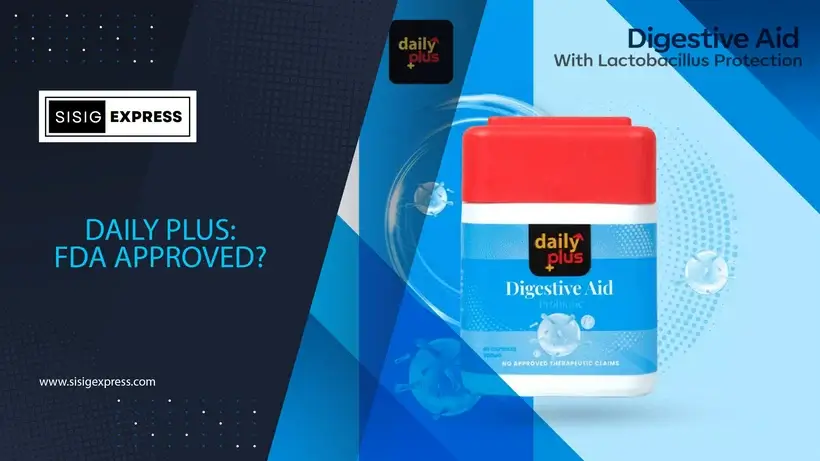
The bottle is small, compact. 60 capsules. Two months’ supply if you take one a day. The label says “Probiotic Blend.” That’s it. No strain names. No CFU count. Just Probiotic Blend.
Now, I get it. Not everyone wants a microbiology lecture before breakfast. But if you’re serious about gut health, this is like buying a phone without knowing the processor or RAM. You know it works, but you don’t know how well or why.
Compare that to Life-Space or GDME Probiotic—both sold locally. Life-Space tells you it’s got 15 strains and 30 billion CFUs. GDME? 11 strains, 90 billion. They’re transparent. They’re proud of their formula.
Daily Plus? It’s like a black box.
And here’s where it gets weird—I saw a photo of the label online with a disclaimer that said “FOR EXTERNAL USE ONLY.”
What?
Yeah. On an oral supplement. That’s not just a typo. That’s a red flag the size of a jeepney. How does something like that slip through? Who approved that label? It makes you wonder—what else is being overlooked?
I double-checked the FDA verification portal. The registration number is real: FR-4000013825173. Certificate issued February 25, 2025. Valid until 2027. So yes, it’s registered. But registration doesn’t mean the product is flawless. It just means it passed the paperwork test.
And honestly? That “external use” thing—it feels like a slapdash operation. Like they’re more focused on getting it to market than getting it right.
The Regulatory Game: “FDA Approved” Isn’t What You Think
You’ve seen the hashtag: #fdaapproved. All over Facebook, Instagram, even in Lazada product titles. It’s everywhere.
But here’s the thing—I’ve sat through FDA briefings. I’ve read Bureau Circular No. 16, s. 2004. And “FDA approved” for supplements? It’s a myth.
The truth?
The FDA doesn’t approve food supplements like drugs. They register them. Big difference.
And the rules are strict. No therapeutic claims. You can’t say it “cures” bloating or “treats” IBS. You can only say it “supports digestive health” or “aids in natural resistance.” Which is exactly what Daily Plus does.
On the label, in bold Arial 14: “NO APPROVED THERAPEUTIC CLAIMS.”
That’s not a bug. It’s a feature. It’s how they stay legal.
But the marketing? That’s where it gets slippery. Social media posts use phrases like “#fdaapproved” and “APPROVED THERAPEUTIC CLAIMS” (which, by the way, is factually wrong). These are user-generated, sure. But they’re also allowed to stay up. And that shapes perception.
People see “FDA” and think “this works.” They don’t realize it just means “this company filed the right forms.”
I’ve seen this play out before. A brand builds trust on regulatory compliance, not clinical proof. It works—until someone demands more.
So… Does It Work?
Here’s the twist.
Despite the lack of transparency, the reviews? They’re glowing.
On Shopee, one user said: “After one week, my bloating is gone. I feel lighter.” Another: “I’ve tried expensive ones. This one works just as well.” A third: “Super effective for constipation. My stomach is flatter now.”
And get this—one buyer bought it again in July 2025. Repeat purchase. That’s a strong signal.
Now, I’m not saying these people are lying. I’ve had my own gut issues—stress-induced, mostly. Tried five different probiotics. Only two worked. The rest? Placebo, maybe. Or wrong strains.
But here’s my reasoning: Just because we don’t know the strains doesn’t mean they’re not effective. Maybe Daily Plus has a solid, stable blend. Maybe it’s using Bacillus coagulans—a spore-forming probiotic known for surviving stomach acid and not needing refrigeration. That would explain the “store in a cool, dry place” instruction instead of “refrigerate.”
And let’s be real—many people don’t need 90 billion CFUs. They just need something that helps their gut rebalance. A generic blend might be enough for mild bloating, occasional gas, or post-meal discomfort.
So yes, it might work. For some. For now.
But here’s the catch: You can’t replicate results if you don’t know what you’re taking.
If it works, great. But if it stops working? Or if you need something stronger later? You’re back to square one.
The Market Reality: How Does It Stack Up?
Let’s break it down. Here’s how Daily Plus compares to other popular probiotics in the PH market as of 2025:
| Product (with clickable Shopee link) | Strains | CFU Count | Price Range (PHP) | Transparency Level |
|---|---|---|---|---|
| Daily Plus Digestive Aid | Undisclosed | Undisclosed | ₱350–₱1,000 | ⭐ (Low) |
| Life-Space Probiotic | 15 strains | 30 Billion | ₱1,500–₱2,500 | ⭐⭐⭐⭐⭐ |
| GDME Probiotic | 11 strains | 90 Billion | ₱1,200–₱2,000 | ⭐⭐⭐⭐ |
| Omogs Probiotics | 18 strains | 90 Billion | ₱1,500–₱2,500 | ⭐⭐⭐⭐ |
| Sanofi Erceflora | 1 strain (B. clausii) | 2 Billion | ₱500–₱1,000 | ⭐⭐⭐⭐ |
| Physician’s Choice | 10 strains | 60 Billion | ₱1,000–₱1,800 | ⭐⭐⭐⭐ |
See the gap?
Daily Plus is the only one with zero strain or CFU data. It’s competing in a market where transparency is now a selling point.
Consumers are getting smarter. They’re Googling strain names. They’re checking for GMP certification. They want to know where it’s made, how it’s tested.
Daily Plus? Silent on all of it.
And that’s risky.
Because the moment a competitor undercuts them on price and offers full disclosure? Daily Plus becomes irrelevant.
The Safety Question: Is It Safe?
Okay. Let’s talk safety.
The ingredients list:
- Probiotic Blend (undisclosed)
- Rice Flour (filler)
- Magnesium Stearate (flow agent)
- Capsule Shell: Hydroxypropyl Methylcellulose (vegetarian-friendly)
All standard. All generally recognized as safe.
But—big but—the “external use only” disclaimer? That’s not just embarrassing. It’s dangerous. Imagine a senior citizen with diabetes or a pregnant woman seeing that. Confusion. Hesitation. Maybe even harm if they misinterpret.
And where’s the CFU count at expiry? Philippine law requires it. The Manual on Food Supplement Registration says so. Yet it’s missing.
No third-party testing mentioned. No GMP certification for the manufacturing facility. ENERNOVA CO. INC. has an LTO, sure. But that’s the bare minimum.
Compare that to Life-Space—made in Australia, GMP-certified facility, tested for potency and contaminants. You know what you’re getting.
With Daily Plus? You’re trusting a black box.
And in gut health, trust needs evidence.
Who Is This For?
Alright. After all that, who should actually buy this?
Let’s be fair.
This product has a niche. And it’s a valid one.
It’s for the first-timer. The person who’s never taken a probiotic before, hears about gut health from a friend, and wants something cheap and easy to try.
It’s for the symptom-focused user. Not someone researching Lactobacillus vs. Bifidobacterium, but someone who just wants to stop feeling bloated after lunch.
It’s for the budget-conscious Pinoy. Maybe they can’t afford ₱2,000 for a bottle. Daily Plus? Probably cheaper. No data, but likely accessible.
And let’s not ignore the power of social proof. Those Shopee reviews? Real people. Real relief. That matters.
So if you’re:
- New to probiotics
- Looking for mild digestive support
- On a tight budget
- Okay with limited information
Then yeah. It might be worth a shot.
But if you’re:
- Dealing with IBS, SIBO, or chronic gut issues
- Wanting strain-specific benefits (like immune support or vaginal health)
- Someone who values transparency and science
- Willing to invest in long-term gut health
Then skip it. Go for Life-Space, GDME, or Omogs. Pay a bit more. Get a lot more clarity.
Final Verdict: A Shortcut, Not a Solution
Here’s how I see it.
Daily Plus Digestive Aid is like a sari-sari store version of a probiotic. It gets the job done for some. It’s available. It’s simple. But it’s not built to last.
It’s a product that survives on regulatory compliance and word-of-mouth, not science or quality disclosure.
And that’s fine—for now.
But the market is evolving. Consumers are demanding more. And brands that don’t adapt? They fade.
So should you buy it? (You can buy it HERE)
Maybe. But with eyes wide open.
You’re not buying a premium probiotic. You’re buying a chance. A gamble that this undisclosed blend will help your gut feel better.
And if it does? Great. Enjoy the relief.
But don’t mistake convenience for quality.
Don’t confuse registration with endorsement.
And don’t forget—your gut is complex. It deserves more than a label that says “Probiotic Blend” and a disclaimer that shouldn’t be there.
If you’re just starting out? Try it. See what happens.
But when you’re ready to go deeper? When you want real, lasting gut health? That’s when you’ll need more than a maybe.
That’s when you’ll need data. Transparency. Trust.
And Daily Plus? It’s not there yet.