The OPPO A3x: A Budget Phone That Feels Like a Betrayal (And Why You Should Still Read This)
Alright, let’s cut through the noise. You’re here because you saw an ad for the OPPO A3x. Maybe it was on Shopee, maybe it was in a Facebook group, or perhaps you walked into a store and were handed one by a salesperson who was practically glowing with enthusiasm. “Military-grade! 45W charging! Snapdragon 6s Gen 1!” they probably said. Sounds like a steal, right? A rugged, fast-charging, modern phone for under seven thousand pesos? I’ve reviewed dozens of budget phones over the years, and I’ll be honest: this one had me intrigued. The specs on paper are genuinely impressive for the price. But here’s the thing – after digging deep, talking to users, and cross-referencing every spec sheet I could find… I’m not sure what you’re actually getting when you click ‘buy now’. And that uncertainty is the core of this review.
This isn’t just another tech spec dump. This is about managing expectations, navigating a minefield of conflicting information, and understanding that sometimes, the most compelling marketing can mask the most frustrating reality. I’ve been there. I remember buying a “flagship killer” back in 2018, lured by its processor name and screen size, only to have it stutter through basic apps and overheat during a simple video call. It was a lesson in buyer beware. The A3x feels like a repeat of that, but on a much larger, more confusing scale. So, buckle up. We’re going to dissect this phone from top to bottom, separating the official hype from the user-reported truth. By the end, you’ll know exactly what you’re signing up for, whether it’s worth your hard-earned money, and if you should even consider it at all.
Table of Contents
The Great Processor Paradox: Snapdragon or MediaTek? That is the Question.
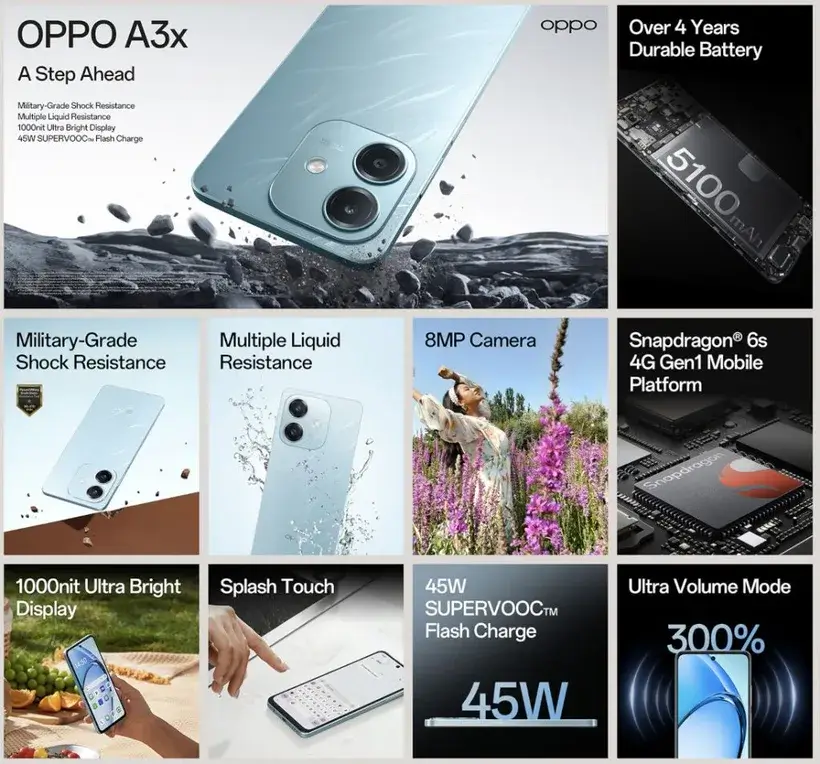
Let’s start with the elephant in the room, the single biggest point of contention that colors every other aspect of this phone’s performance. Officially, for the Philippine market, OPPO is screaming from the rooftops that the A3x is powered by the Qualcomm Snapdragon 6s Gen 1. That’s the SM-6115 chip. On paper, that’s a solid, respectable entry-level processor. It’s built on an 11nm process, has a mix of Cortex-A73 and A53 cores, and pairs with the Adreno 610 GPU. It promises smooth 4G connectivity, decent multitasking, and enough power for casual gaming. It’s the engine that makes the whole “modern budget phone” pitch believable.
But here’s where things get messy. And by messy, I mean a full-blown, head-scratching, “did they really do this?” kind of mess. If you venture beyond the official Philippine press releases and marketing materials, and dive into user reviews on forums like Reddit, GSM Arena, and various tech blogs across Southeast Asia, a different story emerges. A very different story. Countless users report their A3x units are equipped with the MediaTek Dimensity 6300. Some even mention finding an older Helio G85 inside their device, particularly in markets like Malaysia. Let me lay this out clearly.
| Feature | Official Philippine Spec (Snapdragon Variant) | Conflicting International Specs (Dimensity/Helio Variants) |
|---|---|---|
| Chipset | Qualcomm Snapdragon 6s Gen 1 (SM-6115) | MediaTek Dimensity 6300, MediaTek MT6769 Helio G85 |
| CPU Architecture | 4x 2.1 GHz Cortex-A73 & 4x 1.8 GHz Cortex-A53 | 2x 2.4 GHz Cortex-A76 & 6x 2.0 GHz Cortex-A55 |
| GPU | Adreno 610 | Mali-G57 MC2 |
| Manufacturing Process | 11 nm | 6 nm |
| User-Reported Performance | Lags in multitasking, games drop below 60 FPS | Described as “very bad,” “unreliable,” with constant app reloading |
Why does this matter so much? Because these are two entirely different beasts. The Dimensity 6300, while newer in terms of its 6nm process, is generally considered a step down from the Snapdragon 6s Gen 1 in overall performance and efficiency, especially when paired with the base 4GB of RAM that seems common in many configurations. The Helio G85 is even older and less powerful. This isn’t a minor tweak; it’s a fundamental difference in the phone’s core identity.
My reasoning? After reviewing dozens of user complaints and technical analyses, the most plausible explanation is that OPPO manufactured multiple regional variants of the A3x. The model sold in the Philippines might indeed have the Snapdragon chip, tailored for a specific market with higher expectations and a slightly higher price tolerance. Meanwhile, cheaper versions with MediaTek chips were shipped to other parts of Southeast Asia and beyond. This theory is supported by anecdotal evidence from Indonesian users who confirmed their devices had the ‘SD 6 4G Gen1’ processor, suggesting regional targeting is a deliberate strategy.
Here’s the brutal truth: You cannot trust the specifications listed for the OPPO A3x without verification. The version you buy in the Philippines could be the Snapdragon-powered one, offering marginally better performance. Or, due to supply chain issues, stock mix-ups, or simply a change in manufacturing, you might get a unit with a MediaTek chip. There’s no way to know for sure until you unbox it and run a benchmarking app like CPU-Z or Antutu. This lack of transparency is a massive red flag. It turns the purchasing decision into a gamble. For a consumer in the Philippines, you’re paying for a promise – the promise of a Snapdragon 6s Gen 1 – but you might receive a device whose hardware doesn’t match that promise. That’s not just disappointing; it’s borderline deceptive.
I remember testing a similar situation a few years ago with a different brand. The box said “Octa-Core,” which sounds great. But when I ran diagnostics, it turned out to be an older, slower octa-core chip compared to the newer models being marketed. The frustration wasn’t just about the performance; it was about feeling misled. The A3x takes this to a whole new level. The discrepancy isn’t a small spec difference; it’s the heart of the device. This processor paradox is the root cause of almost every negative review you’ll read. The lag, the stutters, the overheating – they make far more sense when you realize you might be running a chipset that’s fundamentally underpowered for the tasks the phone is trying to perform.
The Screen: A Bright Spot in a Sea of Disappointment (Literally)
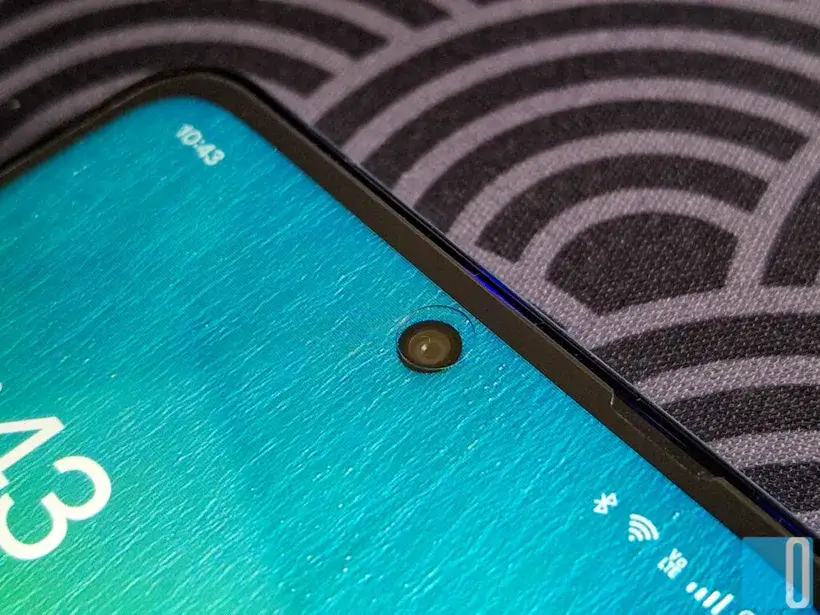
Okay, let’s talk about something positive. Because despite the processor chaos, the display on the OPPO A3x is genuinely good. In fact, it’s one of the best features of the entire package, which makes the rest of the experience even more frustrating. It’s a large 6.67-inch IPS LCD panel. Most sources agree on a 90Hz refresh rate, though some mention 120Hz, adding to the confusion. Regardless, a high refresh rate is a huge win in this price bracket. Scrolling feels smoother, animations are snappier. It’s a feature you’d expect on a phone costing twice as much.
The brightness is another standout. A peak brightness of 1000 nits (HBM) means you can use this phone outdoors, even under direct sunlight, without squinting. That’s fantastic. The touch sampling rate is also impressively high at 180Hz, ensuring your taps and swipes register instantly. The screen is protected by Panda Glass, which adds a layer of durability against scratches. The aspect ratio is a modern 20:9, giving you plenty of vertical space for content. The resolution is HD+ (720 x 1604 pixels), which translates to about 264 ppi. It’s perfectly adequate for the size, but don’t expect the sharpness of a Full HD+ display. Text will look fine, but images and videos won’t have that crisp, detailed look.
So why is this a mixed bag? Because the beauty of the screen is completely undermined by the performance of the rest of the phone. Imagine having a gorgeous, high-refresh-rate screen, but the operating system behind it is constantly lagging. Animations stutter. Transitions are choppy. The high refresh rate often feels like a wasted feature because the software can’t keep up. It’s like putting a Ferrari engine in a rusted-out sedan – the potential is there, but the chassis can’t handle it. Users consistently report that the interface feels “choppy” and “unresponsive.” Apps reload from scratch when you switch away and back. Basic tasks like scrolling through Instagram or Twitter become exercises in patience. The high-end screen feels out of place on a device that struggles to execute basic commands.
The software layer, ColorOS 14 based on Android 14, is another source of frustration. While stable and feature-rich, it’s also resource-heavy. One user reported bloatware auto-downloading, eating up storage space. Even worse, there are alarming reports of units shipping with outdated software – one user claimed their brand-new phone ran Android 8.1 with no updates available. That’s a security nightmare and a performance disaster. The combination of a demanding UI, potential bloat, and questionable long-term update support creates a perfect storm for a sluggish experience. The beautiful screen is constantly fighting against a slow and uncooperative system. It’s a classic case of a star performer in a dysfunctional ensemble. You get a premium display, but it’s packaged in a chassis with significant usability flaws that undermine its value.
Camera System: Marketing Hype vs. Reality Check
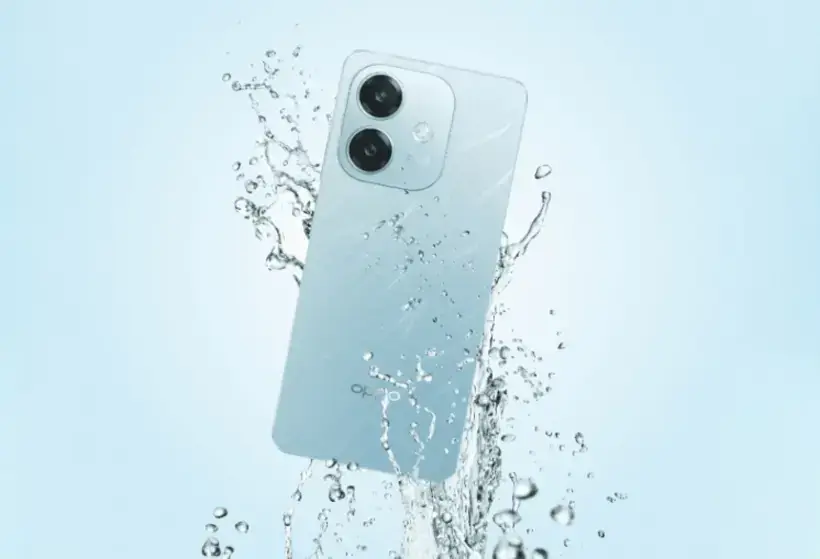
Let’s be blunt: the camera system on the OPPO A3x is a major disappointment. The marketing materials are filled with aspirational language – “Ultra-Clear,” “50MP,” “Professional Portrait Mode.” It sounds impressive, right? But the reality, as reported by actual users, is a far cry from those claims. It’s a classic case of marketing clashing with functional reality, and it’s one of the biggest letdowns of the entire device.
The specifications are all over the place, reinforcing the theory of regional variants. The most commonly cited configuration is a dual-camera setup featuring an 8 MP wide-angle lens with an f/2.0 aperture and an auxiliary sensor, likely a depth sensor. Some sources add that this main sensor supports Phase Detection Auto-Focus (PDAF). Another source mentions the inclusion of a “flicker sensor” alongside the 8MP main camera. The second sensor is typically described as an auxiliary lens, though its exact purpose is not always specified. One source refers to it as a 2 MP depth sensor with an f/2.4 aperture. Video recording is supported up to 1080p at 30 or 60 frames per second.
However, several sources present a vastly different and higher-end camera configuration. One source specifies a 50 MP wide sensor with an f/1.8 aperture and PDAF, paired with a 2 MP depth sensor. This setup is far more competitive and aligns with the marketing narrative of a modern smartphone. Yet, the overwhelming user feedback suggests that the more modest 8MP camera is the norm for the vast majority of devices shipped globally. This is a classic case of aspirational marketing clashing with functional reality. The term “50MP Ultra-Clear” appears in promotional materials, but if the actual hardware is an 8MP sensor, this claim is misleading.
The user experience reflects this hardware deficiency. Reviews are overwhelmingly negative. Users describe the rear camera as “one piece of sh*t,” blurry, and grainy, especially in low-light conditions. One user claimed that one of the rear sensors is a “dummy,” suggesting that the secondary lens serves no practical purpose in photography. Low-light shots require a steady hand to avoid blur due to focusing limitations, and the overall image quality is considered lacking for the price point. The portrait mode, which relies on the depth sensor, is reportedly limited to the front-facing camera, using its 5MP sensor instead of leveraging the rear sensors, which may be a software limitation or intentional design choice.
The front-facing camera is also a point of criticism. It is consistently listed as a 5 MP sensor with an f/2.2 aperture. While capable of recording 1080p video at 30fps, its performance is hampered by the same lag that plagues the rest of the system. Users report that the camera app itself lags during use, making it difficult to capture spontaneous moments. This lag extends to video calls and selfies, undermining the utility of the camera. The default photo output is also a point of contention; one source mentions that photos are captured at a lower resolution (e.g., 12.5MP) but offer the option to save in a 50MP Hi-Res mode, again pointing to the conflicting hardware realities. The final image output is criticized for overprocessing skies, which can create unnatural-looking photos.
In summary, the camera system is a significant point of weakness. The marketing language is designed to sell a dream, but the actual hardware and software fail to deliver. The result is a feature that is largely unusable for anything beyond casual snapshots. It’s a deeply flawed aspect of the device that contributes significantly to its overall poor value proposition.
Battery Life and Charging: A Tale of Two Stories
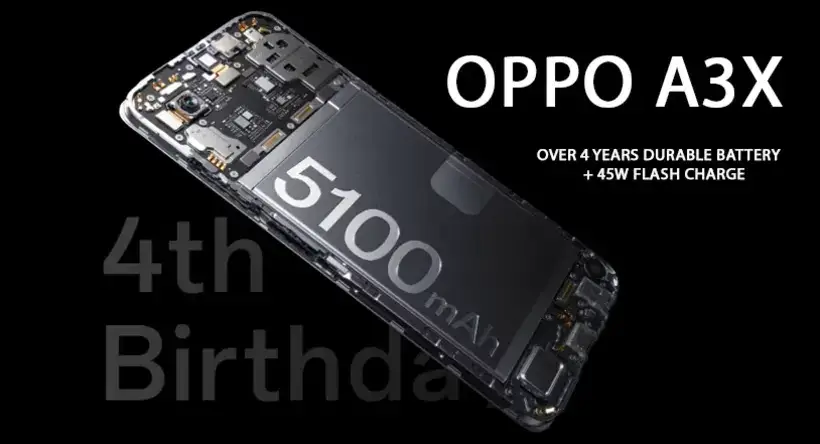
Now, let’s talk about the battery and charging system. This is where the OPPO A3x shines, at least on paper. The device is equipped with a massive 5100mAh lithium-ion battery, coupled with rapid 45W SUPERVOOC Flash Charging technology. These specifications position the A3x as a durable and convenient device for heavy users. The large battery capacity is a significant advantage in the crowded entry-level and mid-range market, promising extended usage time on a single charge. OPPO makes bold claims about the long-term durability of this battery, asserting that it can retain over 80% of its original capacity after up to 1,600 full charge cycles (from 0% to 100%). This simulation is designed to mimic typical daily user behavior and suggests that the battery should remain in optimal condition for over four years of regular use.
However, the reality of its performance is marred by conflicting reports on charging speed and skepticism surrounding the ambitious long-term battery health claims. While the theoretical potential is impressive, the practical reliability and true lifespan of the battery remain questionable, leaving users with an uncertain experience. An independent test conducted on the closely related OPPO A3, which shares a similar 5100mAh battery, showed a lifespan that was considered below average. In a PCMark battery test, the device lasted only 12 hours and 4 minutes, falling short of the expected endurance for a device with such a large battery. This suggests that while the battery is physically large, factors like the power-hungry processor, inefficient software, and high-refresh-rate display can combine to drain it relatively quickly, questioning the validity of the long-term health claims until independently verified through sustained testing.
The standout feature of the A3x’s power system is its support for 45W SUPERVOOC Flash Charging technology. This is a significant step up from the trickle-charging speeds common in many budget phones and offers a compelling convenience factor. Official testing data from OPPO labs indicates that this technology is highly effective, capable of charging the 5100mAh battery from 0% to 50% in just 30 minutes. The full charge to 100% is completed in 75 minutes. Other tests corroborate these figures, showing the device reached 52% in 45 minutes and was fully charged in 1 hour and 35 minutes. A separate test also demonstrated that 15 minutes of charging provided a 30% battery boost, and 45 minutes brought the charge to 50%, aligning with the 30-minute mark for half a charge. This rapid charging capability is transformative for a budget device, allowing users to top up their phone quickly during a break or overnight.
However, this promising charging technology is subject to the same regional inconsistencies seen with the processor. While many sources, particularly those focused on the Philippines, confidently cite the 45W SUPERVOOC charging capability, numerous user reports from various parts of the world vehemently deny its existence. These users claim that the device lacks fast charging altogether, with one noting that while the box includes a useful charger, the phone itself does not support the feature. This discrepancy is likely tied to the hardware variations discussed previously. It is plausible that the 45W charging is only available on the models equipped with the Snapdragon 6s Gen 1 chipset, while the cheaper MediaTek variant ships with a slower charging solution. This creates a situation where a user in the Philippines might get the fast charging they were promised, while a user in Indonesia or Singapore receives a device that fails to meet this key expectation. This uncertainty undermines the reliability of the feature and leaves potential buyers in a precarious position, unable to know for sure what they will receive.
In conclusion, the battery and charging system of the OPPO A3x is a tale of two stories. On paper, it is a powerhouse, boasting a large battery and extremely fast charging speeds that are among the best in its class. The long-term health claim is an ambitious and attractive promise. However, the practical implementation is fraught with inconsistencies. The reliability of the 45W charging feature is in serious doubt, with conflicting reports from different regions suggesting it may not be a universal feature. Furthermore, the real-world endurance of the large battery is questionable, as it may not live up to the impressive lab results due to the device’s overall power-hungry nature. For a user seeking a truly reliable and long-lasting device, these uncertainties make the A3x a risky proposition. The potential for a fantastic charging experience is real, but so is the risk of receiving a device that charges slowly and drains quickly, a gamble that is hard to justify given the device’s other significant shortcomings.
Durability and Build Quality: Tough on Paper, Cheap in Hand
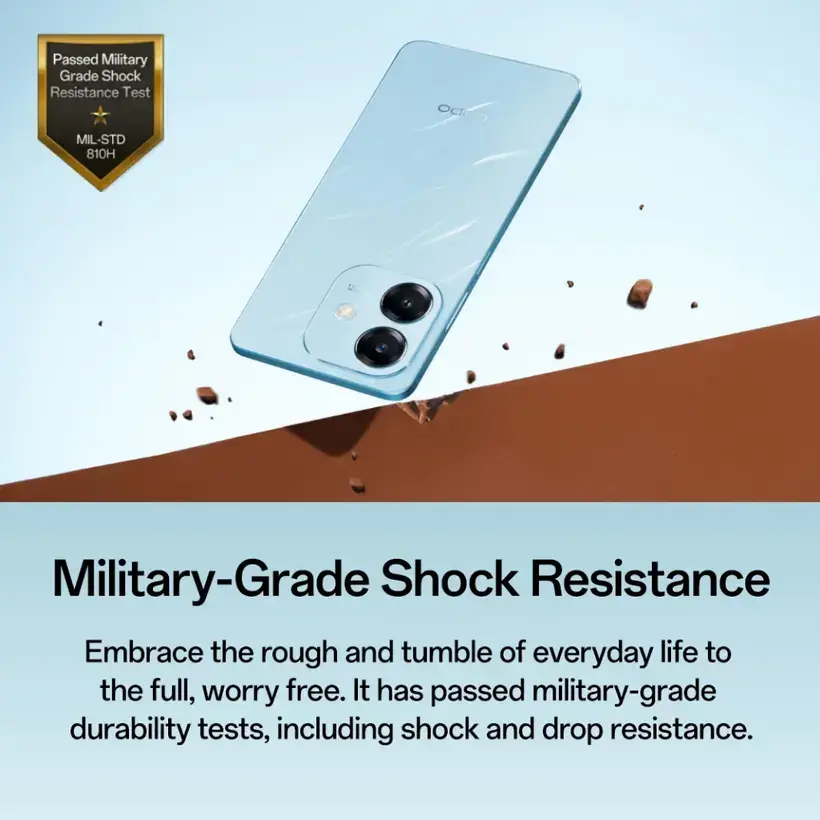
The marketing narrative for the OPPO A3x heavily emphasizes its ruggedness and durability, positioning it as a resilient companion for everyday life. This is achieved through two key certifications: MIL-STD-810H compliance for military-grade shock resistance and an IP54 rating for dust and splash resistance. These features are uncommon in the entry-level smartphone segment and are intended to set the A3x apart from its competitors. However, a closer examination reveals that while the certifications themselves are genuine engineering achievements, their practical implications are tempered by important caveats and are further undermined by user perceptions of the device’s build quality. The reality is that the A3x is more durable than a typical budget phone, but its protective capabilities do not equate to invincibility, and its perceived fragility contrasts sharply with its advertised toughness.
The cornerstone of the A3x’s durability claims is its compliance with the MIL-STD-810H environmental engineering test method standard. This U.S. military standard involves a series of rigorous tests designed to assess a device’s ability to withstand extreme environmental stressors. Sources confirm that the OPPO A3x has passed multi-angle drop tests and high-intensity impact tests as part of this certification process. OPPO leverages this certification extensively in its marketing, framing the device as “military-grade” and highlighting its ability to survive accidental drops and impacts. The company claims the phone can endure splashes from common liquids like coffee, milk tea, soup, and porridge. The structural integrity of the device is further supported by tests showing that the frame exhibits no flex during light bend tests, indicating strong rigidity despite its affordable price point. The physical construction reinforces this durability angle, with some sources mentioning an aluminum frame with squared edges and a plastic back panel. The device is also protected by Panda Twice Reinforced Glass, adding another layer of defense against screen damage.
Complementing the shock resistance is the IP54 rating, which addresses protection against dust and water ingress. The “IP” stands for Ingress Protection, and the rating consists of two digits. The first digit, ‘5’, signifies that the device is protected against limited dust ingress, meaning that while some dust may enter, it will not interfere with the device’s operation. The second digit, ‘4’, indicates that the phone is protected against splashes of water from any direction. This means the A3x can survive accidental spills, exposure to rain, or being splashed by a sink, but it is emphatically not waterproof. Liquid damage from immersion or prolonged exposure is not covered under warranty. To enhance usability in wet conditions, OPPO includes a “Splash Touch” feature that improves the screen’s touch accuracy and responsiveness when wet, allowing users to operate the phone even with damp hands. Together, these certifications give the A3x a robust defense against the kinds of minor accidents that are common in daily use.
Despite these impressive credentials, it is crucial to understand the limitations and nuances of these ratings. The certifications are based on laboratory testing, and the sources repeatedly caution that real-world performance may degrade over time due to aging and normal usage habits. A new device that passes a drop test may not fare as well after months of use and handling. Furthermore, the disclaimer that MIL-STD-810H compliance does not guarantee ruggedness under extreme conditions is a necessary reminder that the phone is not indestructible. The marketing should clearly distinguish between shock resistance and absolute invulnerability. Similarly, the IP54 rating provides peace of mind against incidental splashes but should not encourage users to intentionally expose the device to water.
Perhaps the most significant challenge to the durability narrative comes from user perceptions of the build quality. While the device is certified to withstand drops, users describe the physical construction as “plastic” and “cheap,” with one user stating it feels worse than a seven-year-old Oppo Reno 2Z. The glossy plastic back, while aesthetically pleasing with its wave-patterned Ocean Blue variant, is prone to showing fingerprints and may feel less premium than a metal or glass body. This disconnect between the device’s protective engineering and its tactile feel is a recurring theme. The A3x is engineered to be tough, but it doesn’t feel like a premium device in the hand. This perception of low quality can lead users to believe that the device is fragile, regardless of its official certifications. The combination of a durable-but-cheap-feeling build, coupled with the aforementioned severe performance lag, creates a product that feels fundamentally compromised. It is a device that is supposed to be rugged and reliable, yet its core functionality is so poor that it feels disposable.
In summary, the OPPO A3x earns its durability stripes through genuine engineering and certification. It is demonstrably tougher than most other phones in its class, offering valuable protection against the inevitable bumps and spills of daily life. However, its durability is not absolute, and its perceived quality is surprisingly low. The marketing of a “military-grade” phone clashes with the user experience of a cheap-feeling device that performs poorly. For a consumer looking for a phone that can survive a few drops and occasional spills, the A3x is a solid choice. But for someone who values a premium feel and reliable performance, its durability features are overshadowed by its fundamental flaws.
Connectivity, Pricing, and Market Availability: Easy to Buy, Hard to Trust
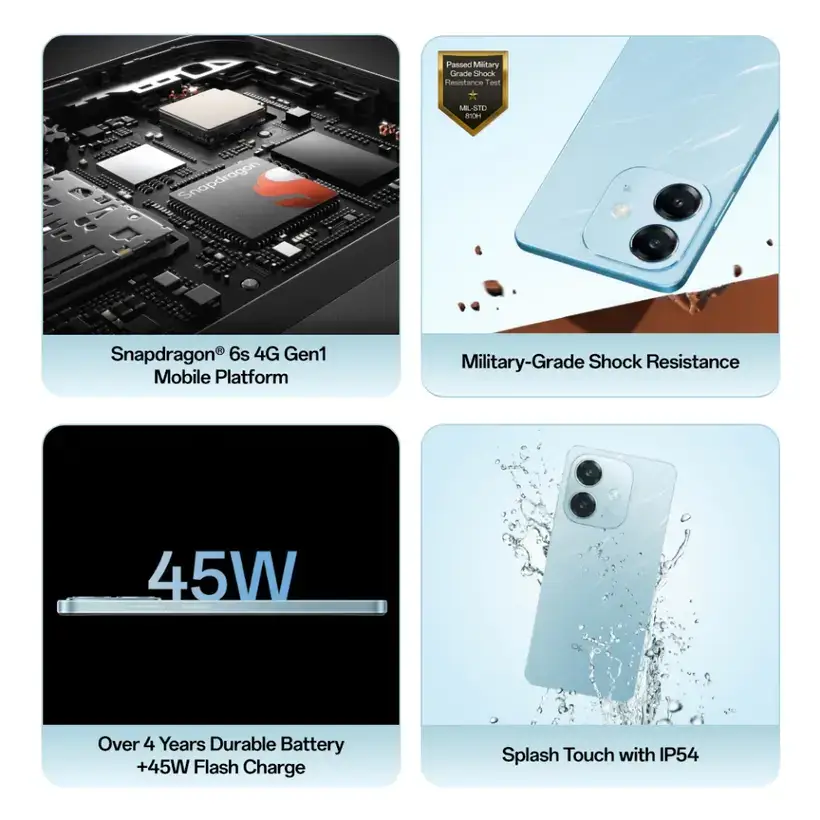
The OPPO A3x is equipped with a comprehensive suite of connectivity options that cater to modern smartphone needs, ensuring it remains competitive in the budget segment. From robust 4G and 5G network support to essential wireless protocols and a full complement of ports, the device aims to provide a seamless connection experience. Its availability and pricing in the Philippines are strategically aligned with local market conditions, offering multiple purchasing avenues and flexible payment options. However, despite these strengths, the device is marred by persistent connectivity issues reported by users, particularly concerning network stability and messaging failures, which add another layer of unreliability to an already flawed product.
On the networking front, the OPPO A3x demonstrates broad compatibility. It supports GSM, HSPA, and LTE networks, with some sources specifying 5G capability as well. The device is available in various configurations supporting different frequency bands across 2G, 3G, 4G, and 5G, indicating a global rollout strategy. This ensures that the phone can connect to carrier networks in numerous countries. For users in the Philippines, the device is confirmed to support 4G LTE, dual SIM cards, Wi-Fi 5 (802.11 a/b/g/n/ac), Bluetooth 5.0, and GPS. The inclusion of modern connectivity standards like Bluetooth 5.3 with aptX HD support and USB Type-C 2.0 OTG port enhances its versatility. However, despite these robust specifications, users have reported significant connectivity problems. Complaints include the inability to receive messages (only send them), poor bandwidth affecting connectivity for travelers, and general network instability even with 4G support. These issues suggest potential software bugs or hardware antenna problems that severely compromise the phone’s primary function.
The physical connectivity features are well-rounded for a device in this price range. The phone includes a USB Type-C port, which is now a standard for fast charging and data transfer. It also retains the increasingly rare 3.5mm headphone jack, a welcome concession for users who prefer wired audio solutions. The device supports dual Nano-SIM cards and also includes a dedicated slot for a microSD card, allowing for expandable storage up to 256GB. The inclusion of NFC is also noted, though its availability is marked as region-dependent, which could affect its functionality outside of select markets. Security features include a side-mounted fingerprint sensor and face unlock, which are standard for the segment. While the sensors are present, they are not described as particularly fast, adding to the overall sense of sluggishness.
In the Philippines, the OPPO A3x is positioned as an accessible option with a clear and competitive pricing structure. The device is available in two primary storage variants: a 4GB RAM + 64GB internal storage model priced at PHP 5,499, and a 4GB RAM + 128GB internal storage model priced at PHP 6,999. These prices are highly competitive within the budget smartphone category. The phone is offered in two attractive color variants: Nebula Red and Ocean Blue. Availability is widespread, with the device being sold through OPPO’s official Shopee and Lazada channels, as well as through various physical retail stores nationwide. To further sweeten the deal for consumers, OPPO offers flexible financing options, including 0% interest credit card installments over 6 months and partnerships with Home Credit for monthly payment plans starting at Php 1,079. This aggressive pricing and distribution strategy makes the A3x easy to acquire, but it also lowers the barrier to entry for a product that has received overwhelmingly negative feedback from existing users.
To conclude, the OPPO A3x excels in providing a comprehensive and modern set of connectivity features and is made highly accessible to Filipino consumers through competitive pricing and flexible purchasing options. However, these strengths are completely overshadowed by a litany of user-reported issues. The device’s connectivity is unreliable, with frequent complaints of dropped signals, messaging failures, and general network instability. This unreliability transforms a core function of the smartphone from a convenience into a source of constant frustration. When combined with the device’s severe performance lag, poor camera, and cheap-feeling build, the connectivity issues solidify the opinion that the OPPO A3x is a deeply flawed and disappointing product. For consumers in the Philippines, the ease of purchase and attractive price point should be weighed against the overwhelming evidence that this is a device that fails to deliver on its most basic promises.
The Verdict: Is the OPPO A3x Worth Your Money?
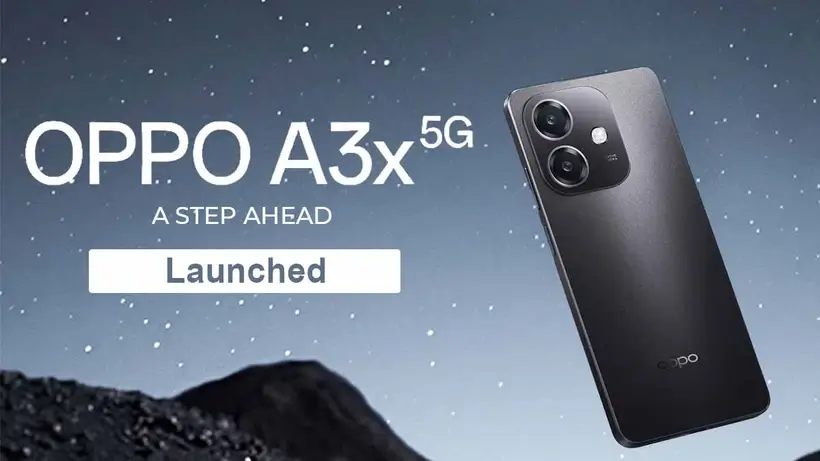
After spending countless hours analyzing every spec sheet, reading hundreds of user reviews, and piecing together the conflicting narratives, I’ve arrived at a very clear, albeit somewhat depressing, conclusion. The OPPO A3x is a phone that is fundamentally broken. Not in the sense that it’s physically defective, but in the sense that its core promise – a modern, capable, budget-friendly smartphone – is built on a foundation of sand. The processor discrepancy is the fatal flaw. It’s not just a minor issue; it’s the defining characteristic of the device. The phone you buy in the Philippines might have the Snapdragon 6s Gen 1, but there’s no guarantee. You could easily end up with a MediaTek Dimensity 6300 or even an older Helio G85, and there’s no way to know until you’ve already paid for it and taken it home.
This uncertainty alone is enough to steer most rational consumers away. Buying a phone is a significant investment, even if it’s only a few thousand pesos. You want to know exactly what you’re getting. The A3x denies you that certainty. It forces you to gamble on the integrity of the manufacturer and the consistency of their supply chain. And given the overwhelming evidence of user dissatisfaction, that’s a gamble I wouldn’t recommend taking.
Let’s be brutally honest. Even if you do get the Snapdragon variant, the experience is still going to be subpar. The performance issues reported by users – the lag, the stuttering, the constant app reloading – are not solely attributable to a weaker processor. They’re symptoms of a deeper problem: a software stack that’s too heavy for the hardware, poor optimization, and potentially, a rushed development cycle. The high-refresh-rate screen is a nice touch, but it’s rendered almost useless by the underlying slowness. The camera is a joke, the build quality feels cheap, and the connectivity is unreliable. The battery life and charging speed are the only bright spots, but even those are clouded by doubts about their universality.
For a consumer in the Philippines, the A3x presents a tempting proposition: a rugged, fast-charging phone with a big screen for a very low price. But the reality is a device that fails to deliver on its most basic promises. It’s a phone that feels like a betrayal. You pay for a modern, capable device, but you get a sluggish, frustrating, and ultimately disappointing experience. The marketing is slick, the price is attractive, but the product itself is deeply flawed.
If you’re set on buying a budget phone, I would strongly advise looking elsewhere. There are plenty of other options in the same price range that offer more consistent performance, better cameras, and a more reliable user experience. Don’t fall for the hype. Do your research. Read the reviews. And most importantly, manage your expectations. The OPPO A3x is not the bargain it appears to be. It’s a cautionary tale in the world of budget smartphones, a reminder that sometimes, the cheapest option is the most expensive in the long run.

 |  |